The barycenter of global oil demand has irreversibly shifted eastwards. While Europe and North America are stabilizing or reducing their net imports through energy efficiency and electrification, Asia (led by China and India) continues to absorb the majority of barrels available on the market. Here is the ranking of the world’s five largest importers of crude oil in 2025, compared to 2024 volumes.
China, EU and USA: the world’s largest oil importers
The barycenter of global oil demand has irreversibly shifted eastwards. While Europe and North America are stabilizing or reducing their net imports through energy efficiency and electrification, Asia (led by China and India) continues to absorb the majority of barrels available on the market. Here is the ranking of the world’s five largest importers of crude oil in 2025, compared to 2024 volumes.
China: The giant in structural slowdown
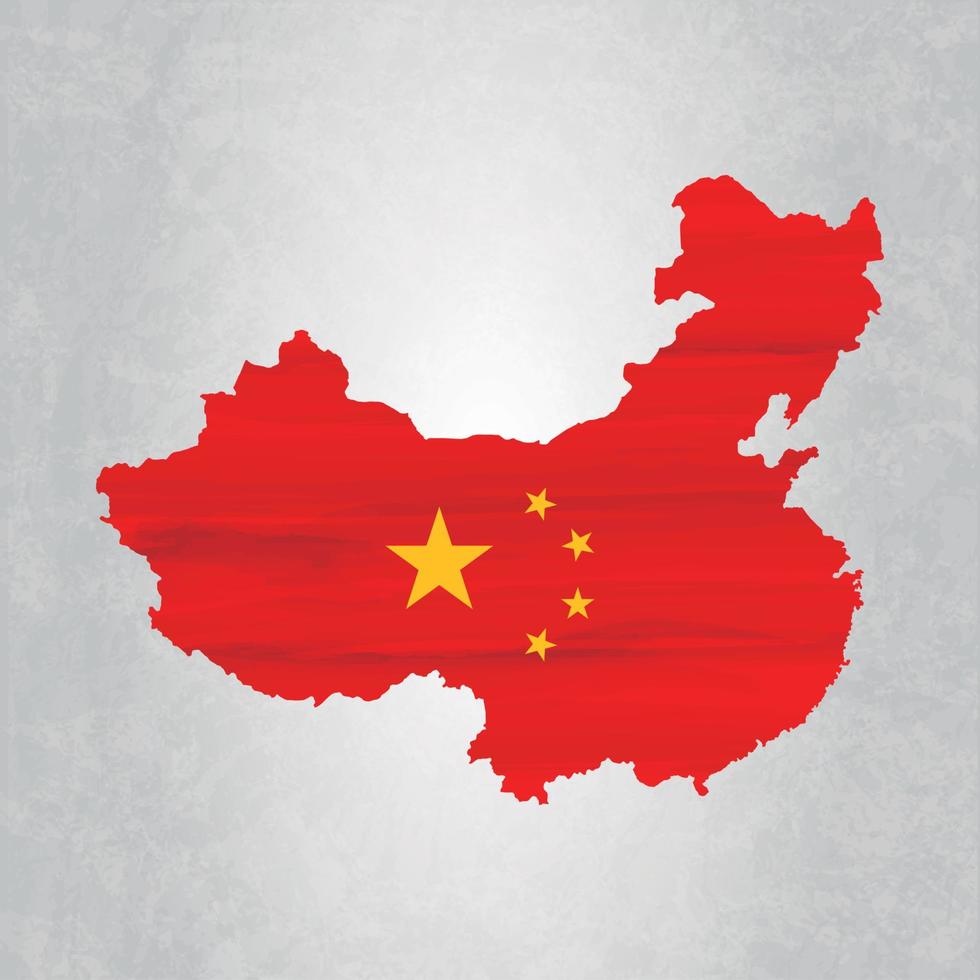 Still at the top of the ranking, China is showing signs of slowing down in the growth of its imports. The peak in demand for road fuels seems to have been reached, offset by robust demand for petrochemicals.
2025 imports: 10.9 million barrels/day (MMb/d)**
2024 imports: 11.1 million mb/d (Source: China Customs / IEA)
Trend: Slight decrease (-1.8%)
Analysis: In 2024, China took advantage of low prices to build up record strategic stocks. In 2025, with an economy in transition and a fleet of electric vehicles exceeding 40% of new sales, imports will decline slightly. The country now favours security of supply through long-term contracts with Russia and Saudi Arabia.
The European Union (EU-27): Dependency despite the Transition
 Although committed to an aggressive green transition (“Fit for 55”), Europe remains a massive importer due to a lack of significant domestic production.
2025 imports: 8.2 million MMb/d
Imports in 2024: 8.4 million Mb/d (Source: Eurostat / OPEC)
Trend: Decrease (-2.4%)
Analysis: The structural decline continues. The EU continues to diversify its sources away from Russia, turning massively to the United States (WTI), Norway and West Africa (Nigeria, Angola) to replace Urals crudes. The year 2025 marks a stabilization of post-embargo logistics flows.
The United States: The “Technical” Importer
 This is the American paradox: the world’s leading producer, the United States remains a major importer to supply its Gulf of Mexico refineries, designed to process heavy crudes that they do not produce.
2025 imports: 6.0 million MMb/d
2024 imports: 6.2 million Mb/d (Source: EIA – Energy Information Administration)
Trend: Stable / Slightly Decreasing
Analysis: American imports come almost exclusively from Canada (more than 60%) and Mexico. In 2025, domestic shale production reaches a plateau, forcing refiners to maintain this level of imports to meet domestic demand and the export of refined products (diesel, gasoline).
India: The New Engine of Global Demand
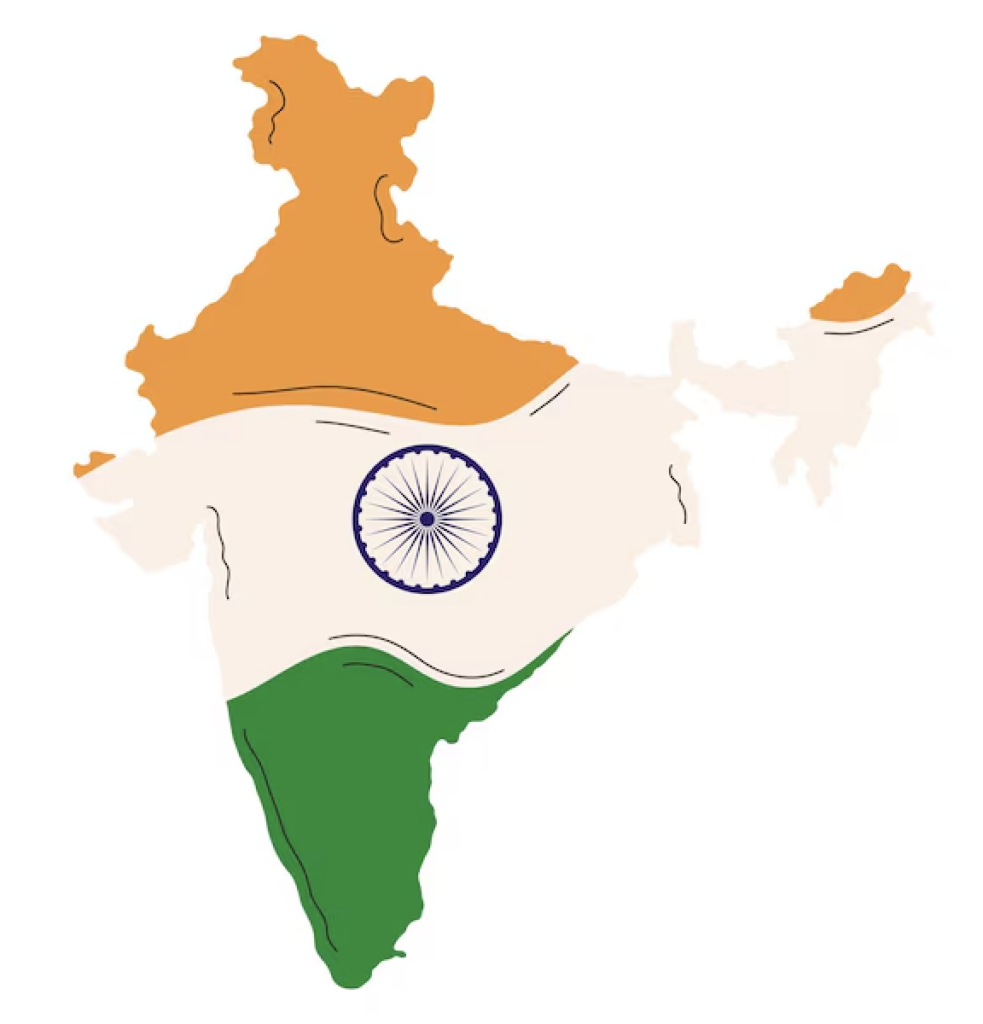 India is the only major importer to show significant and sustained growth between 2024 and 2025. It is now the one that is driving the world market upwards.
2025 imports (est.) 5.1 million MMb/d
2024 imports: 4.8 million Mb/d (Source: Indian Ministry of Petroleum / Vortexa)
Trend: strong increase (+6.2%)
Analysis: With an economy growing by +6.5% and a middle class that is equipping itself with combustion cars, India is thirsty for oil. In 2025, it continued to buy Russian crude massively at reduced prices, while strengthening its ties with Iraq and the United Arab Emirates to secure its supplies.
Japan: Demographic and Energy Decline
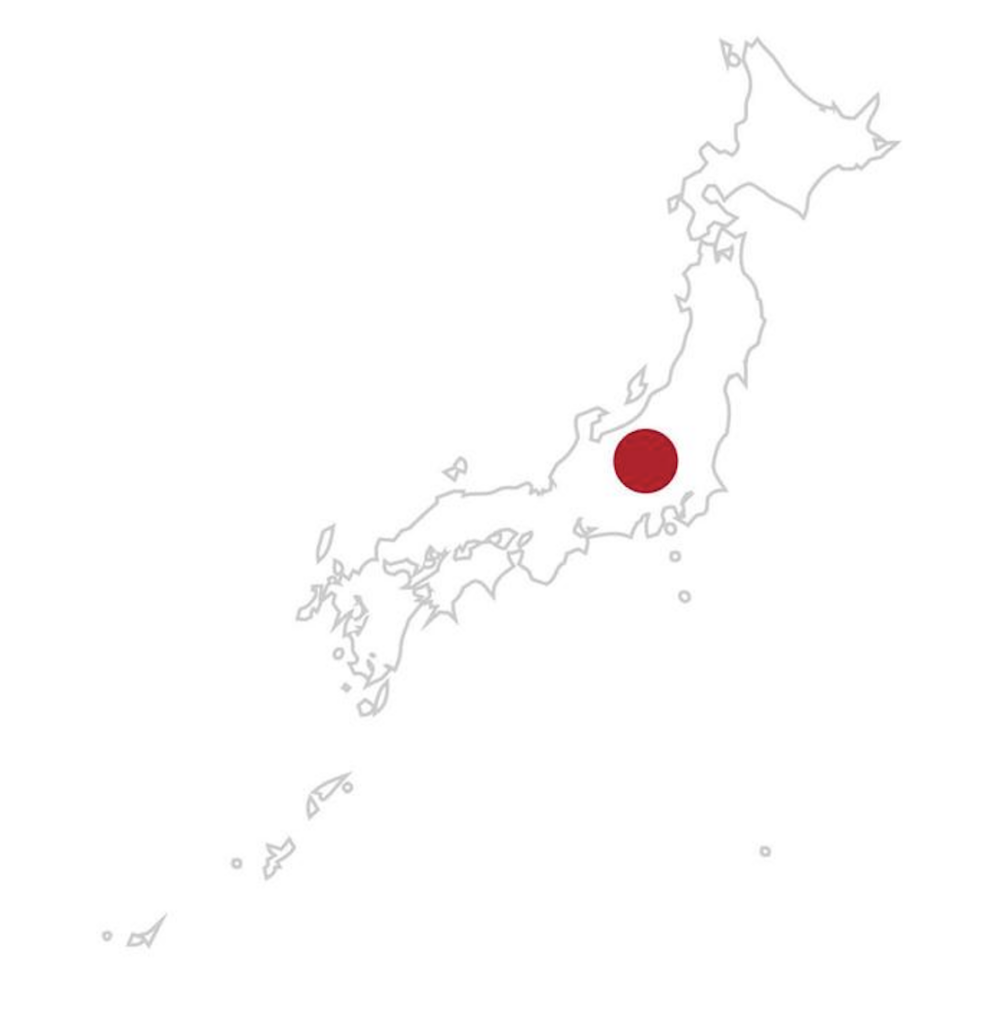 Japan, devoid of fossil resources, is seeing its imports decline inexorably under the combined effect of an ageing population, energy efficiency and nuclear revival.
2025 imports: 2.3 million mb/d
2024 imports: 2.45 million Mb/d (Source: Ministry of the Economy, Trade and Industry)
Trend: Decrease (-6.1%)
Analysis: Japan is accelerating its exit from fossil fuels for electricity production and transport. In 2025, the country closed several aging refining units, preferring to import refined products directly or turn to LNG and hydrogen.
Summary: What has changed in one year
| Country / Block | 2024 Imports (MMb/d) | Imports 2025 (MMb/d) | Change (%) |
| China | 11,1 | 10,9 | ↘️ -1.8% |
| European Union | 8,4 | 8,2 | ↘️ -2.4% |
| United States | 6,2 | 6,0 | ➡️ Stable |
| India | 4,8 | 5,1 | ↗️ +6.2% |
| Japan | 2,45 | 2,3 | ↘️ -6.1% |
Cross-sources: International Energy Agency (IEA), OPEC Monthly Oil Market Reports (MOMR), National Customs.
The Balance Sheet for African Producers (APPO Members)
This snapshot of the market in 2025 sends a clear signal to APPO Member Countries (Nigeria, Angola, Algeria, etc.). The European market is slowly contracting but is looking to diversify its suppliers out of Russia, offering an opportunity to maintain market share. However, the real growth driver is Indian. It is imperative that African producers strengthen their trade relations with New Delhi to secure their future outlets.